
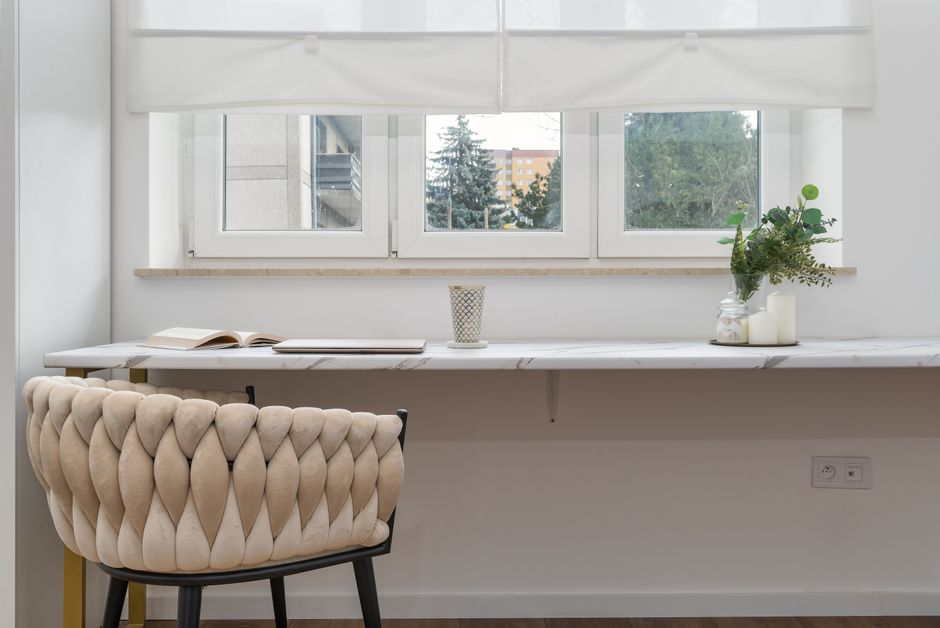
How to Make a Small Reading Corner for Autumn Evenings
By September, an ordinary chair can start looking like an invitation to spend the evening with a book. You do not need an unused room or a deep window seat to make that invitation easier to accept. A comfortable place to sit, light that reaches the page and somewhere safe for your tea can turn a small patch of home into a reading corner you actually use.
Find an Underused Corner Near a Socket
Look for a space that already sits slightly outside the busiest route through your home. It might be beside a bedroom window, at one end of the sitting room or in a generous landing alcove. The best candidate has room for a chair without making everyone squeeze past it.
Visit the spot at the time you expect to read. A peaceful corner in the afternoon may catch television noise or kitchen activity after dinner. Sit there for ten minutes before moving furniture, noticing draughts, nearby doors and whether you feel settled or in the way.
A socket within easy reach makes a reading lamp much simpler. Think about the whole cable route, keeping it out of walkways and away from chair legs that could trap it. Do not assume a rug makes a trailing cable disappear safely.
Use masking tape to mark a possible chair footprint if you are unsure about space. Open nearby cupboard doors and walk your normal route with a laundry basket. Leave access to radiators, vents and windows as well as enough room to get in and out of the seat. A small nook works best when the surrounding room still functions comfortably.
Choose a Chair You Can Sit in Comfortably
Start with furniture you already own. An occasional chair from the bedroom may feel better for reading than the deepest seat on the sofa. Borrow it for an evening and judge it with a book in your hands, rather than choosing purely by how it looks against the wall.
Notice the seat height and depth. Can your feet rest comfortably, and does the back support you without making you perch forwards? If the seat is too deep, try a firm cushion behind your back. If your feet do not reach the floor comfortably, a stable footrest may help, provided it does not block the walkway.
Test the position of your arms
Read several pages of a book similar in size to the ones you usually choose. Low armrests may leave you holding its weight in the air; very high ones can make your shoulders feel lifted. A small cushion on your lap can support a heavy hardback without becoming a permanent pile of accessories.
Check how easily you can stand up and reach the lamp. You should not need to perform a sideways shuffle around a table every time the kettle boils. Comfort includes the movements around reading, not just the minutes spent sitting still.

Position a Lamp to Reduce Glare
A room can feel warmly lit while the page remains frustratingly dim. Give the chair a lamp that directs light towards the book, with a shade or head that keeps the bright bulb out of your normal line of sight. An adjustable floor lamp can be useful when surface space is limited.
Try the lamp slightly beside and behind your shoulder, then adjust while seated. Watch for your head or hand casting a shadow over the page. If you like making notes, light from the opposite side to your writing hand can help, though the exact position depends on the chair and lamp.
Open a glossy book as well as a plain paperback. A bright reflection may disappear if you move the lamp a little to the side or tilt its head. If you use an e-reader, check it from your usual sitting angle rather than standing over the chair.
- Choose enough brightness to read without leaning towards the page.
- Keep the switch within a comfortable reach.
- Use a bulb suitable for the lamp’s stated fitting and rating.
- Keep a little background light if one bright pool feels harsh.
Test the arrangement after dark. September’s changing evening light can make a setup that works at six feel quite different later on.
Keep Books Within Easy Reach
A reading corner needs your current book and perhaps the next one, rather than your entire collection. Limiting the local supply keeps the seat inviting and makes it easier to choose what to read. Leave the rest on the main bookshelf until you want it.
Use a lower table shelf, a slim upright holder or a small basket that lets you see the spines. If you prefer stacked books, keep the stack low and stable. The title at the bottom should not require dismantling half the corner to retrieve it.
Measure reach from the chair before settling the storage. Something tucked neatly behind the seat may look unobtrusive but demand an awkward twist every evening. Put the book where your hand naturally lands when you turn slightly to the side.
Give the small things one home
A shallow dish or compact pouch can hold reading glasses, a bookmark and a pencil. Avoid letting it become a catch-all for receipts and charging leads. At the end of the evening, put the bookmark in, close the book and return those few items to their place. That tiny reset makes the corner ready for tomorrow without becoming another household job.

Add a Small Surface for a Drink
Choose the surface around the chair’s actual height and position. A narrow side table may be enough for a mug and glasses; a compact table that slides towards the seat can work if its base fits around the chair legs. Test stability before trusting it with a hot drink.
Sit back, reach for an empty mug and put it down again. You want to see the surface clearly without leaning a long way or reaching behind you. If your sleeve catches the mug or the table wobbles on the floor, change the position before adding anything else.
Keep the drinking space separate from the book stack. A coaster protects the surface, but it will not stop a tall pile of paperbacks toppling when you reach across it. Leave enough clear tabletop to put the mug down without aiming for a tiny gap.
An existing sturdy stool can work well if its top is level and broad enough. Avoid upholstered footstools as bare drink stands, and do not balance a mug on the chair arm. Sometimes moving one unnecessary ornament is all it takes to create a much more useful surface.
Use Soft Textures Without Crowding the Space
September evenings may call for a light throw before you need the thickest winter blanket. Choose one you can fold over the chair back or store in a small basket. Check that it does not trail beneath the chair or cover a nearby heater.
One supportive cushion and one throw often provide all the softness a compact seat needs. Add texture through fabric you enjoy touching: brushed cotton, a smooth wool blend or a knitted cover. Keep colours connected to the surrounding room if you want the corner to feel settled without redecorating.
Leave the seat mostly clear. A nook that needs five cushions removed before you can sit down asks for effort at exactly the moment you want to relax. The same goes for decorative objects competing with your book, lamp and cup.
Try the arrangement for a few evenings before buying anything extra. Move the lamp, swap the cushion or bring the table closer as you discover what feels right. When you can sit down, open your book and comfortably lose track of a few pages, the corner has everything it needs.